By Chris Toro
October 16, 2026
Fire protection equipment often blends into the background of a home. An alarm on the ceiling or a sprinkler head overhead may attract little attention while daily life continues normally. Yet the usefulness of that equipment depends on more than its presence: it needs appropriate placement, sound installation, and continued care. Understanding those responsibilities helps homeowners think about protection as a working system rather than a collection of devices installed and forgotten.
Professional fire services connect the selection of equipment with the attention it needs throughout its use. For a homeowner, the important questions concern what each system does, how it suits the property, and what keeps it operating as intended. Installation establishes the starting point, while inspection, testing, maintenance, and repairs address its continuing condition. Knowing how those functions differ makes conversations about residential protection more useful and helps homeowners recognize when professional attention is needed.
Different Systems Have Different Responsibilities
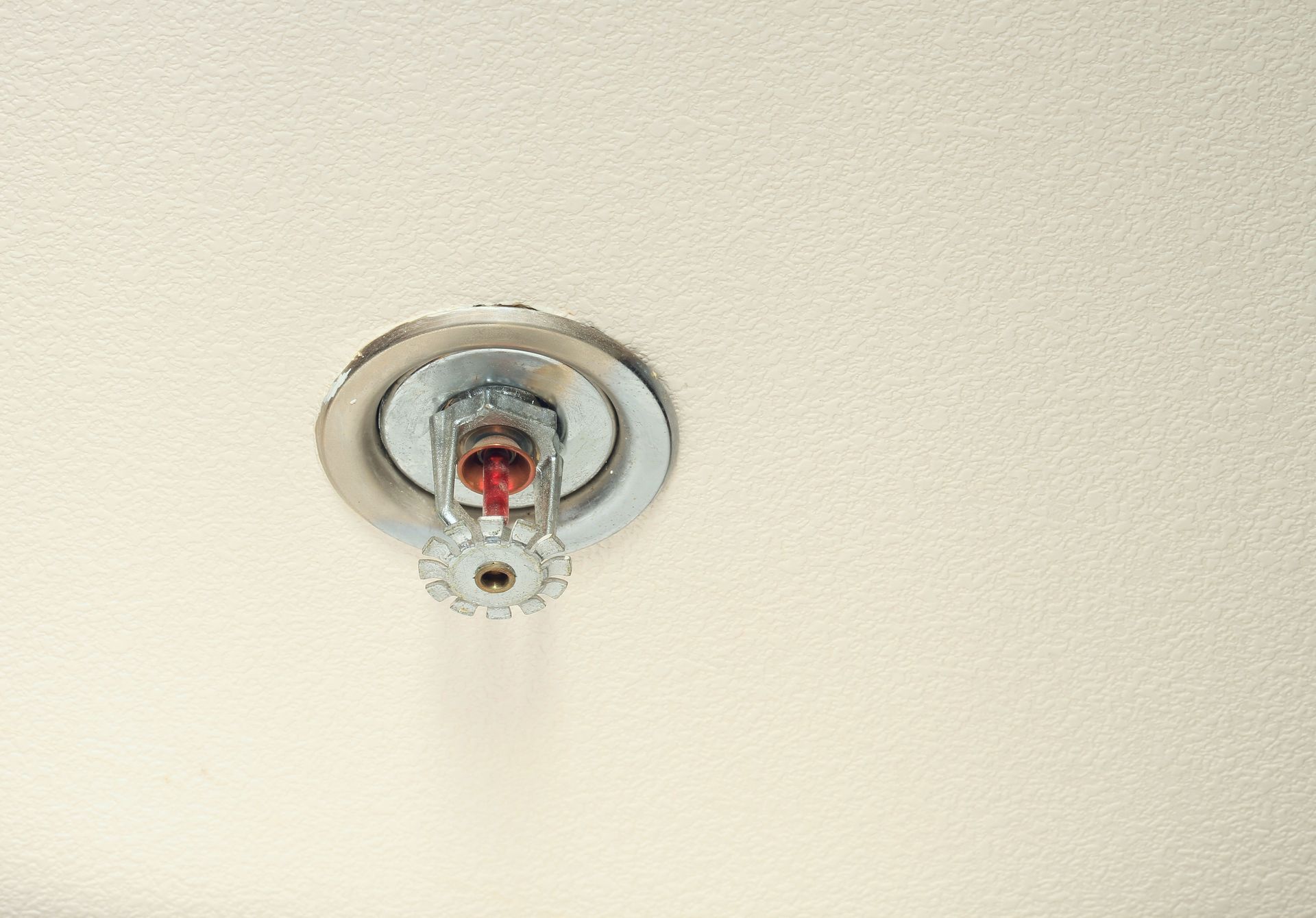
According to SafeHome.org, temperatures inside a room experiencing a fire can climb to 1,100 degrees Fahrenheit within just four minutes. That rapid increase helps explain why protection needs to be ready before a fire begins, with equipment selected and maintained for its intended function. Detection provides warning of a developing emergency, while automatic sprinkler systems can help contain or extinguish a fire before emergency responders arrive. Each contributes a different form of protection when conditions can change quickly.
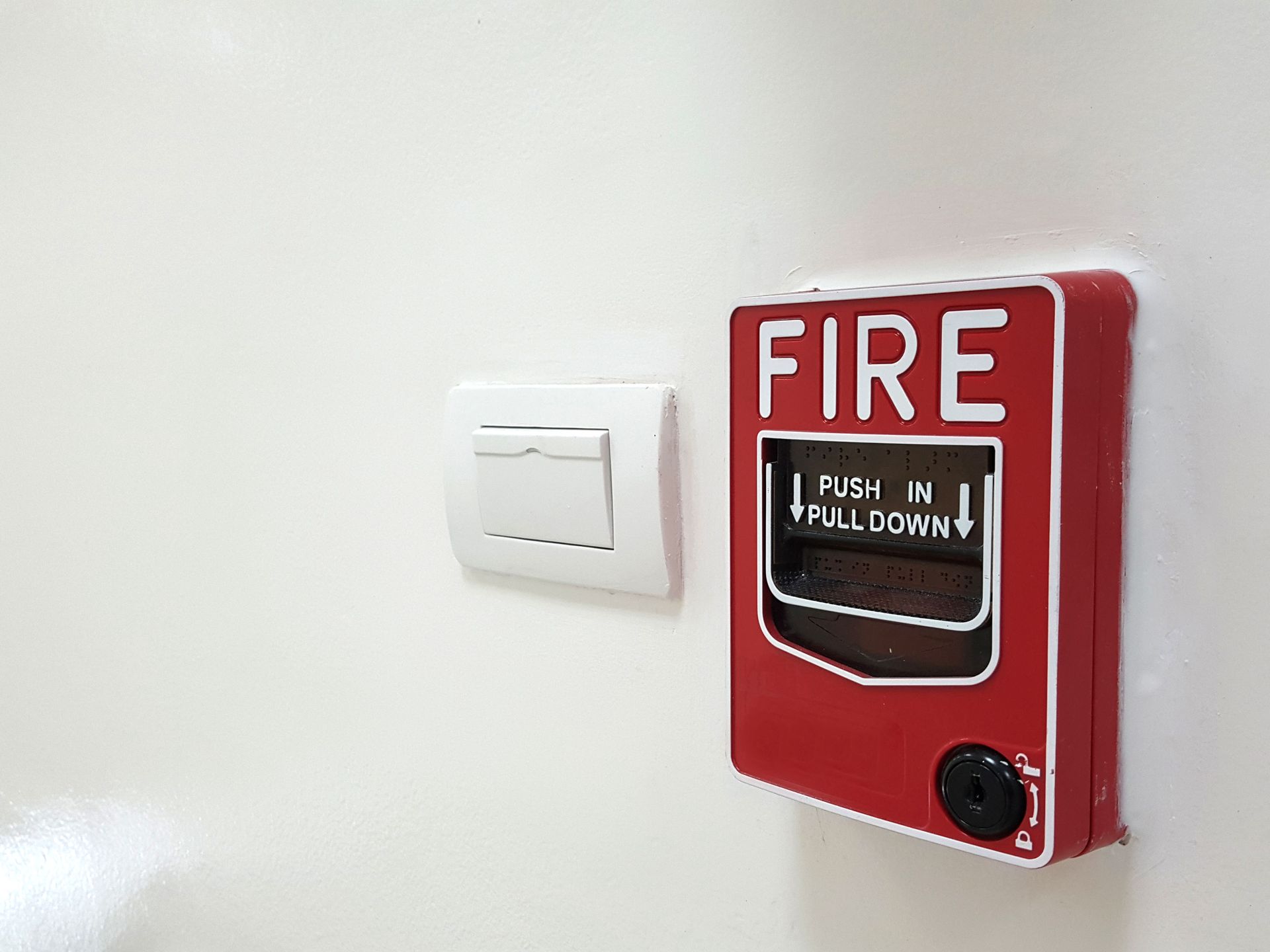
Understanding those distinctions is part of making informed decisions about fire services. An alarm system alerts occupants to a detected condition; it does not perform the same task as equipment designed to suppress a fire. Monitoring adds another function by communicating system activity to a central station. These complementary roles give homeowners a reason to consider how installed systems work together instead of evaluating each device in isolation. Professional guidance helps connect the equipment's purpose with the home's needs.
The Home Shapes the Protection Plan
A residential system needs to fit the property in which it will operate. Room arrangements and the home's layout influence decisions about detection equipment and its placement, making a tailored installation more useful than assumptions based on another building. Professional alarm installation can incorporate smoke detection and heat sensing within a system designed for the residence. The homeowner's role is to understand the proposed protection and raise questions about how it relates to the spaces used every day.
Sprinkler design also involves requirements beyond choosing visible fixtures. Water supply calculations, piping layouts, and control valve placement contribute to the installation, while concealed or decorative sprinkler heads can accommodate interior preferences.
When discussing fire services, homeowners can ask how functional requirements and the appearance of their home will be considered together. Areas with particular protection needs may also warrant targeted suppression options, such as systems intended for spaces containing sensitive electronics. Recommendations should remain tied to the property's actual characteristics.
Monitoring Extends Awareness Beyond the House
Monitoring adds a different function to fire services by connecting an installed protection system to a continuously operating central station. This provides oversight when a building is unoccupied, with alerts associated with system activation or malfunction. An audible alarm within the home and communication beyond the property serve different purposes. Understanding that relationship helps homeowners discuss monitoring without assuming that every installed alarm already includes an external connection or the same monitoring arrangement.
Because monitoring depends on the installed system and service working together, homeowners can ask which events generate alerts, how status is communicated, and what records are available. Monitoring services may include real-time status information and logs of system activity, providing a record beyond what is visible on individual devices. Clear explanations of those functions make the service easier to understand without treating monitoring as a replacement for properly functioning detection or suppression equipment.
Inspection, Testing, and Maintenance Address Different Needs
Inspection examines the condition of fire protection equipment and identifies deficiencies that need attention. Testing evaluates operation, including the response of alarm panels, detection devices, notification equipment, and suppression components. Although the services are related, they answer different questions about an installed system. A device can appear intact while its performance still requires evaluation, making professional testing relevant even when the homeowner has not noticed an obvious physical problem.
Maintenance addresses the equipment's continuing service needs through work such as cleaning, testing, and adjusting components as appropriate. The tasks depend on the system rather than a single routine applied identically to every home. Portable extinguishers also require professional attention, with inspection and recharging services contributing to their readiness. Inspection and recharging address different service needs, making professional recommendations useful for understanding the condition of an extinguisher and the work it requires.
Ongoing fire services help connect these findings with the work needed to keep equipment functioning as intended. Inspection and test reports provide information about condition and performance, while maintenance and repairs address the concerns identified. Homeowners benefit from understanding what was examined, what findings require attention, and what service is recommended next. These records give later service discussions a useful reference, linking decisions to documented findings rather than an assumption that equipment remains unchanged.
Requirements and Records Deserve Attention
Residential fire protection involves applicable safety requirements as well as practical equipment choices. Professional code compliance services can include inspections to identify deficiencies, recommendations for corrective work, and documentation associated with the property. The applicable requirements influence decisions about system installation and ongoing care, so recommendations need to account for the equipment already present in the home. A homeowner can seek an explanation of which requirements apply and how the proposed services address them without being expected to interpret technical standards alone.
Documentation gives those discussions a concrete reference. Inspection findings and test results can show what was evaluated and what concerns were recorded, helping homeowners understand the basis for recommended work. Recorded deficiencies can also help separate work needed to correct a problem from routine care intended to preserve normal operation. Professional assistance can include coordination with local authorities when an approval process requires it. The documentation and any required coordination connect technical findings with the property's approval needs, giving homeowners a clearer basis for decisions about corrective work.
Equipment Problems Need Timely Professional Attention
Fire protection systems can develop malfunctions outside a scheduled service visit. When equipment fails or a problem affects its operation, prompt professional attention can help address the fault and restore the system's intended function. Emergency equipment service concerns urgent problems with installed protection systems; firefighting response to an active fire remains the responsibility of emergency responders. Knowing what the service covers helps homeowners distinguish equipment support from the emergency response needed during a fire.
Urgent repairs are another part of fire services that can support the continuing condition of residential equipment. Professional technicians can assess the problem, perform necessary repairs, and address the affected system's operation. The appropriate response depends on the fault, so homeowners should seek a clear explanation of what needs attention rather than assume that every malfunction requires complete replacement. Availability outside ordinary business hours can be relevant when a protection system develops an unexpected problem that cannot wait for its next planned visit.
Residential fire protection is most useful when homeowners understand the purpose of their equipment and give its continuing condition appropriate attention. That understanding supports informed decisions before an emergency makes dependable operation critical. At New England Fire Tech INC, we install, inspect, test, and maintain residential fire protection systems. Contact us to discuss the equipment and service needs of your home.