By Chris Toro
August 18, 2026
Understanding the importance of fire protection systems in safeguarding your loved ones and property is crucial. These systems are designed to prevent, detect, and control fire hazards across various environments, providing a safeguard against potential disasters. With technological advancements, fire protection systems have become more sophisticated, offering enhanced safety mechanisms. However, awareness and proper implementation remain key to maximizing their effectiveness. This article delves into the different aspects of fire protection systems, highlighting how they play a crucial role in ensuring the safety of you and your family.
The Basics of Fire Protection Systems
Fire protection systems encompass a broad range of techniques and equipment designed to detect, alert, and combat fires. This includes everything from basic smoke detectors and fire extinguishers to more complex systems like automatic sprinkler systems and alarm networks. Each component is an integral part of a coordinated safety strategy, tailored to mitigate the impact of fires in residential, commercial, and industrial settings. The primary goal of these systems is to protect lives, preserve property, and minimize downtime during emergencies. As fire hazards evolve, these systems continuously develop to address new challenges and risks.
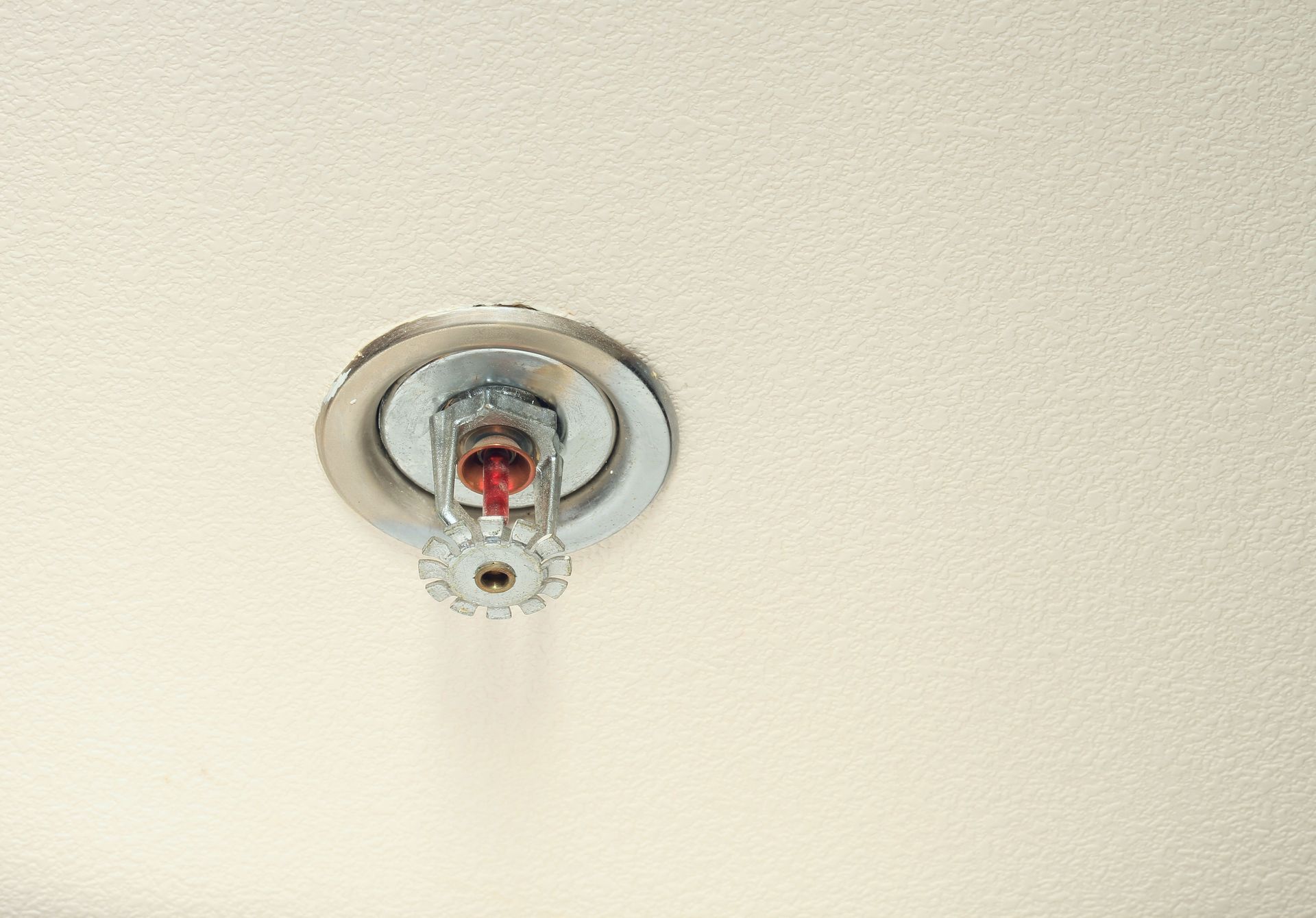
Fire protection systems can generally be categorized into three main types: suppression, detection, and alarm systems. Suppression systems such as sprinklers and extinguishers actively engage in controlling or extinguishing fires. Detection systems, like smoke and heat detectors, alert occupants at the earliest signs of a fire. Meanwhile, alarm systems provide critical alerts to occupants and emergency services, significantly reducing the response time during a fire incident. Together, these systems create a comprehensive safety network focused on early detection, alert, and efficient response.
The essential components of fire protection systems include detectors, alarms, sprinklers, and extinguishers, each featuring advanced technologies for improved efficiency. Modern detectors utilize photoelectric sensors, ionization chambers, and advanced multi-criteria detection methods to provide reliable alerts. Fire alarms incorporate sophisticated signaling and connectivity options, such as integration with smart home systems. Sprinklers utilize both wet and dry piping systems to activate automatically and mitigate fires. Each technological advancement enhances the system’s capability to protect lives and property efficiently.
Fire protection systems have a rich history that reflects the evolution of safety measures over time. The early systems began with simple bucket brigades and evolved into more organized firefighting methods with the emergence of fire departments. The invention of the automatic sprinkler system by Henry S. Parmelee in the late 19th century marked a significant milestone in fire prevention. Advances in technology, like electronic smoke detectors and automated alarm systems, have shaped modern fire protection strategies. These developments illustrate a progressive learning curve focused on enhancing public safety.
The Role of Smoke Detectors
Smoke detectors are an integral component of fire protection systems, providing early warnings that can save lives. They operate by sensing smoke particles in the air and triggering an alarm to alert occupants. The importance of smoke detectors cannot be overstated, as they offer crucial time to evacuate and call in emergency services. According to SafeHome.org, on average, seven people die each day from home fires in the United States, highlighting the critical need for effective smoke detection. Early detection significantly reduces fatalities and injuries, making these devices essential in any home.
Smoke detectors typically fall into three categories: ionization, photoelectric, and dual-sensor models. Ionization detectors are well-suited for rapidly developing fires, utilizing a small amount of radioactive material to detect changes in electrical current induced by smoke particles. Photoelectric detectors are more responsive to smoldering, smoke-heavy fires, using a light beam to identify smoke’s presence. Dual-sensor detectors combine both technologies, offering broad-spectrum coverage for various fire types. Choosing the right type of detector is key to ensuring optimal protection for your household.
For smoke detectors to effectively serve their purpose, proper installation is key. These devices should be placed on each level of the home, inside bedrooms, and outside sleeping areas. Positioning detectors on ceilings or high on walls is recommended, as smoke rises during a fire. It's crucial to ensure that detectors are not placed near air vents, doors, or windows, where drafts might inhibit their function. Following installation guidelines provided by manufacturers and safety organizations ensures optimal alarm coverage and reliability.
The Importance of Fire Alarms
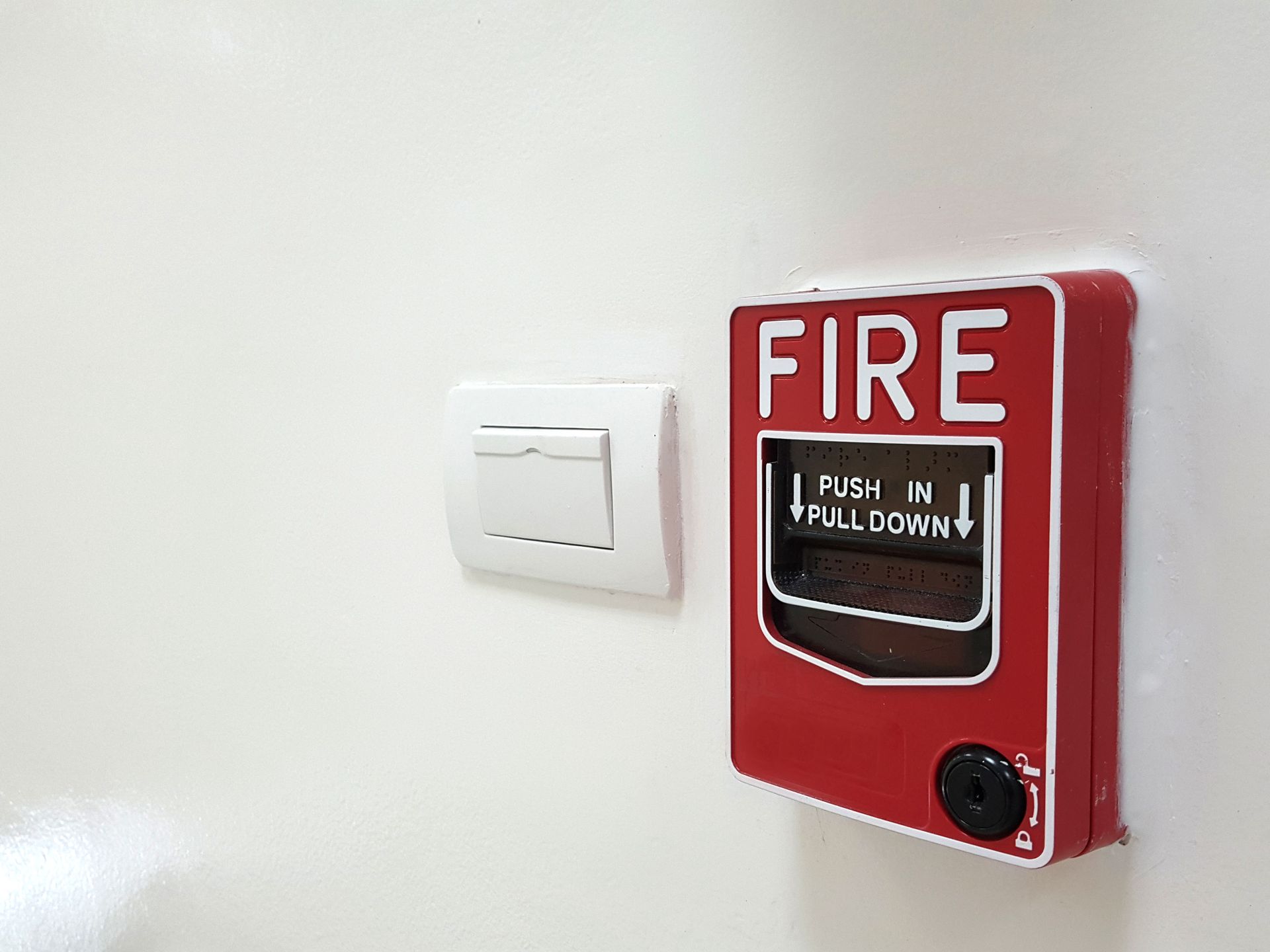
Fire alarms are pivotal components of fire protection systems, serving as the primary alert mechanism during fire emergencies. These systems utilize audible alarms, visual signals, and in some cases, voice alerts to notify occupants. The activation of alarms typically stems from smoke detectors or manual pull stations, ensuring rapid communication of the fire threat. Upon detection of danger, fire alarms sound an alert, prompting immediate evacuation and emergency response. Effective alarm systems can significantly reduce the risk of injury and property damage caused by fires.
Integration of fire alarms with smart home systems offers enhanced safety and convenience. Smart alarms connect to home networks, providing real-time updates and alerts via mobile devices. Such integration allows for remote monitoring, ensuring homeowners are informed of potential fire hazards even when away. Additionally, smart alarms can connect to other smart devices, such as smoke detectors and emergency lighting systems, for comprehensive coverage. The connectivity and interoperability of these systems optimize response times and enhance overall home safety.
Strategic placement of fire alarms within a building is key to ensuring optimal alert coverage. Alarms should be installed on every level of the home and in key areas such as hallways, kitchens, and near sleeping areas. The goal is to provide the earliest possible warnings, enabling quicker evacuations. Placing alarms near stairways ensures that alarm sounds can reach all levels and areas of the home. Following guidelines from fire safety agencies and manufacturers ensures the best placement strategies to optimize alert effectiveness.
The Role of Fire Extinguishers
Fire extinguishers are crucial tools in controlling small fires before they escalate. There are several types of extinguishers, each designed for different classes of fires. Class A extinguishers handle ordinary combustibles like wood and paper, while Class B extinguishers are for flammable liquids. Class C extinguishers are for electrical fires, Class D for combustible metals, and Class K for kitchen fires involving cooking oils. Selecting the correct extinguisher type based on specific fire risks in your household ensures effective and safe fire suppression.
Knowing how to properly use a fire extinguisher is crucial for its effectiveness during emergencies. The PASS technique—Pull, Aim, Squeeze, and Sweep—serves as a standard practice for operating extinguishers. Pull the pin to release the handle, aim the nozzle at the fire’s base, squeeze the handle to release the extinguishing agent, and sweep the nozzle from side to side. Practicing this technique helps family members gain confidence in handling extinguishers. Proper usage significantly increases the chances of successfully managing small fires before they grow.
To ensure reliability, regular maintenance and inspection of fire extinguishers are necessary. Inspectors check the pressure gauge, look for signs of wear or damage, and verify the integrity of the nozzle and hose components. A thorough annual examination by a professional service is recommended to maintain the extinguisher’s functionality. Additionally, periodic recharging or replacement of extinguishers might be necessary, depending on the type and model. Effective maintenance assures that extinguishers will work when needed during a fire emergency.
The critical role of fire protection systems cannot be overstated in safeguarding lives and property from devastating fires. A comprehensive approach to fire safety involves understanding and utilizing various components, from smoke detectors and alarms to extinguishers and sprinklers. Developing a robust family fire safety plan is equally essential, encompassing emergency evacuation strategies and regular drills. By understanding and implementing these fire protection measures, you arm yourself and your family with effective tools and strategies to avert fire-related tragedies. The ultimate goal remains ensuring safety and peace of mind in any fire situation. Contact New England Fire Tech INC today for more information.